
Awaken: Reiki, Chakras & Holistic Energy Healing
Updated: Oct 25
The woman sitting across from me in the coffee shop was practically vibrating. Not literally, well, actually, maybe literally. Her hands kept moving to her throat, then her heart, then back again. "I can feel everything," she whispered, eyes wide. "Is this what they mean by energy healing?"
This conversation happened last Tuesday, but it could've been any day. Because once you start paying attention to the subtle currents running through your body, through everyone's body, there's no going back. Reiki opens doors. Chakras become real things instead of pretty Instagram graphics. And suddenly you're living in a world where healing doesn't just happen with bandages and pills.
But let me back up.
What Is Energy Healing and How Does It Work?
Energy healing works by supporting the body's own natural balance through gentle touch, intention, and focused attention on the electromagnetic field that surrounds every living thing. It does not replace medical treatment, but it can complement conventional care by easing tension and supporting a sense of calm.
Energy work sounds mystical until you remember your heart runs on electricity. Your brain fires electrical impulses. Your entire nervous system is basically biological wiring. So when we talk about Reiki or chakra healing, we're not discussing fairy tales, we're exploring the electromagnetic field that science already acknowledges surrounds every living thing.
Reiki, which literally means "universal life force energy," works with this field. A practitioner places their hands on or near your body. Sometimes you feel heat. Sometimes tingling. Sometimes nothing at all, but something shifts anyway.
I remember my first Reiki session clearly. Actually, no, that's not true. I remember lying on the table, completely skeptical, arms crossed internally if not externally. The practitioner, Sarah, had these impossibly gentle hands that seemed to hover rather than touch. For forty minutes I analyzed everything. Her breathing patterns. The new age music playing softly. The way afternoon light filtered through her office blinds.
Then I stood up and realized my chronic shoulder tension was gone.
Completely.
Sarah smiled like she'd expected this. "Energy doesn't care if you believe in it," she said. "It just moves."
Research into energy healing is still catching up to what practitioners have observed for centuries. Some studies point to measurable effects such as reduced anxiety, supported immune function, and more comfortable recovery after illness or injury. Your body responds to intention, to touch, to the simple act of someone holding space for your healing.
What Are the Seven Chakras and What Do They Mean?
The seven chakras are energy centers running from the base of your spine to the crown of your head, each one linked to different aspects of physical, emotional, and spiritual wellbeing. Seven main energy centers make up this map, and when energy moves freely through them, you tend to feel more balanced.
Chakras get a bad rap in wellness circles, mainly because people turn them into oversimplified color wheels or shopping lists for crystals. But strip away the commercialization and you find something thoughtful: an ancient map of how energy moves through your physical form.
Root to crown, each center corresponds to different aspects of your physical, emotional, and spiritual health. When energy flows freely through these centers, you feel balanced. When it doesn't, that's where things get interesting.
Your root chakra sits at the base of your spine. It relates to survival, safety, your connection to the physical world. When it's blocked, you might feel anxious about money. Disconnected from your body. Like you're floating without an anchor.
The sacral chakra, just below your navel, relates to creativity and sexuality. Blocks here can show up as a creative dry spell or difficulty with intimacy. The solar plexus, your personal power center, relates to confidence and decision-making.
Heart chakra needs little explanation. Most people know what a closed heart feels like.
Throat chakra relates to communication. Third eye, intuition. Crown chakra connects you to something larger than yourself, call it universe, a higher power, cosmic consciousness, or simply the web of connection that links all living things.
Here's what I find interesting: you can work with chakras without believing in them as literal spinning wheels of light. Think of them as reference points. Areas where your body tends to hold stress or store emotional memory. Your throat really does constrict when you can't speak your truth. Your chest actually tightens when your heart feels closed.
What Makes Energy Healing Holistic Rather Than a Quick Fix?
Holistic energy healing looks at the whole picture, body, mind, spirit, environment, and relationships, instead of targeting a single symptom. It supports your body's own capacity to find balance rather than imposing a fix from outside.
Traditional medicine excels at crisis intervention. Broken bone? Surgery. Infection? Antibiotics. But what about the subtle imbalances that don't show up on lab tests? The exhaustion that sleep doesn't fix. The anxiety that seems to come from nowhere. The sense that you're living slightly outside your own life.
This is where energy healing can offer gentle support.
Modalities like Reiki, acupuncture, sound healing, and crystal therapy work alongside your body's own natural rhythms. They don't impose healing from the outside, they support it from within. Sometimes the shift feels noticeable right away, sometimes so gradual you only notice the change months later.
A friend of mine started getting Reiki sessions to help with occasional sleeplessness. After six sessions, she was sleeping more easily. But the real surprise came when she realized she'd stopped having those Sunday night anxiety spirals about the upcoming work week. "I think," she told me, "I'm just less afraid of everything."
That's holistic support in action. Ease one thing, and several other things you didn't even know were connected start shifting too.
How Do You Start an Energy Healing Practice?
You can start an energy healing practice by paying attention to your breath, finding a Reiki practitioner you trust, and exploring your chakras through quiet meditation or yoga. There is no single correct entry point, and small consistent steps matter more than finding a perfect starting ritual.
Energy healing isn't a linear path with clear prerequisites. It's more like learning to swim, you can read about it forever, but eventually you have to get in the water.
Start with your breath. Right now, actually. Feel it moving in and out of your body. That's energy in motion. That's life force doing what it does best, sustaining you without your conscious effort.
Find a Reiki practitioner in your area. Most offer sessions for anywhere from $60-120. Trust your instincts about who feels safe and grounded, and look for someone who can hold space without making everything about themselves.
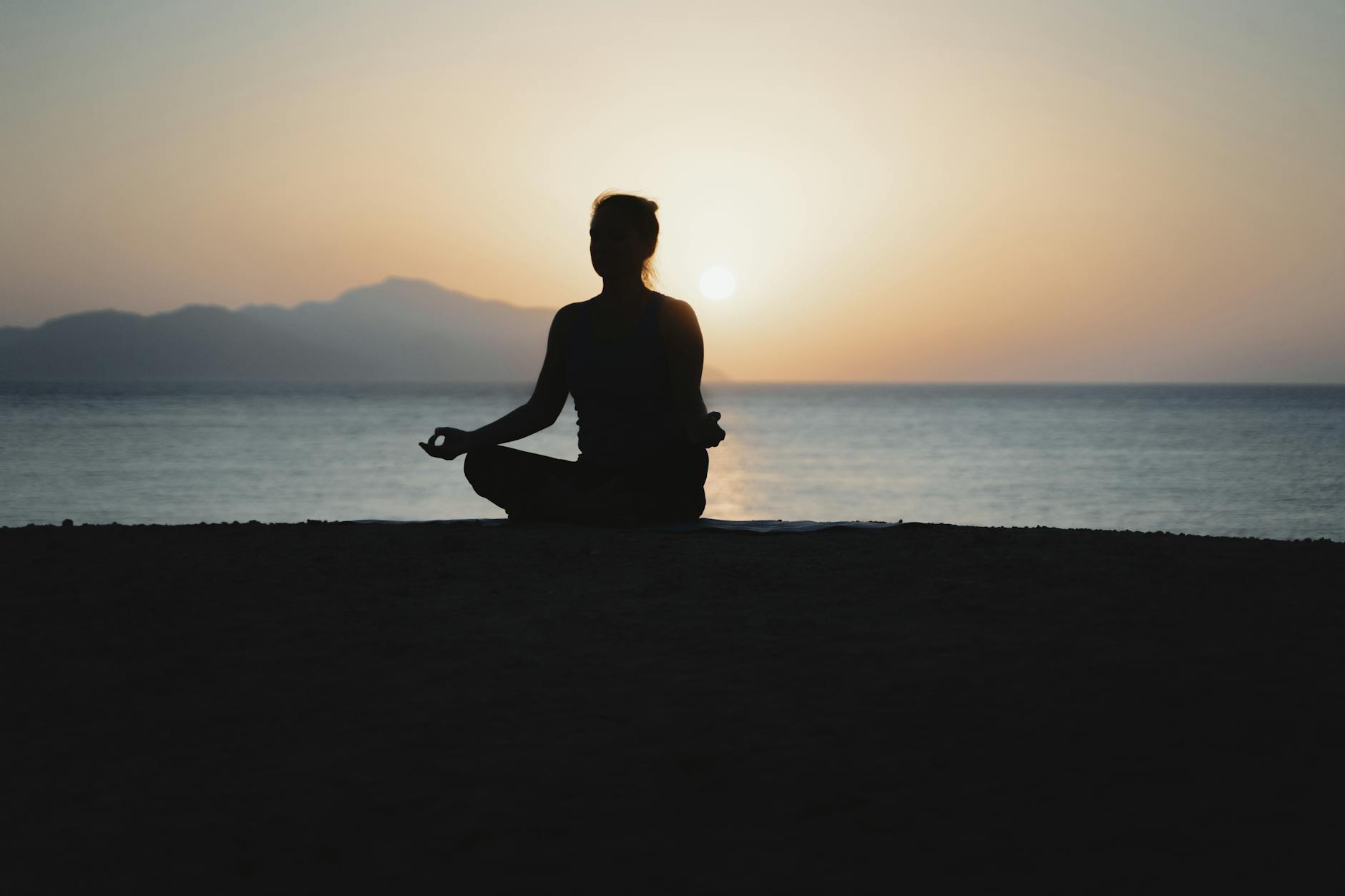
Explore your chakras through meditation or yoga. Sit quietly and scan your body from root to crown. Where do you feel tight, heavy, or disconnected. These areas might benefit from extra attention, but don't overthink it, your body often knows more than your mind about what needs care.
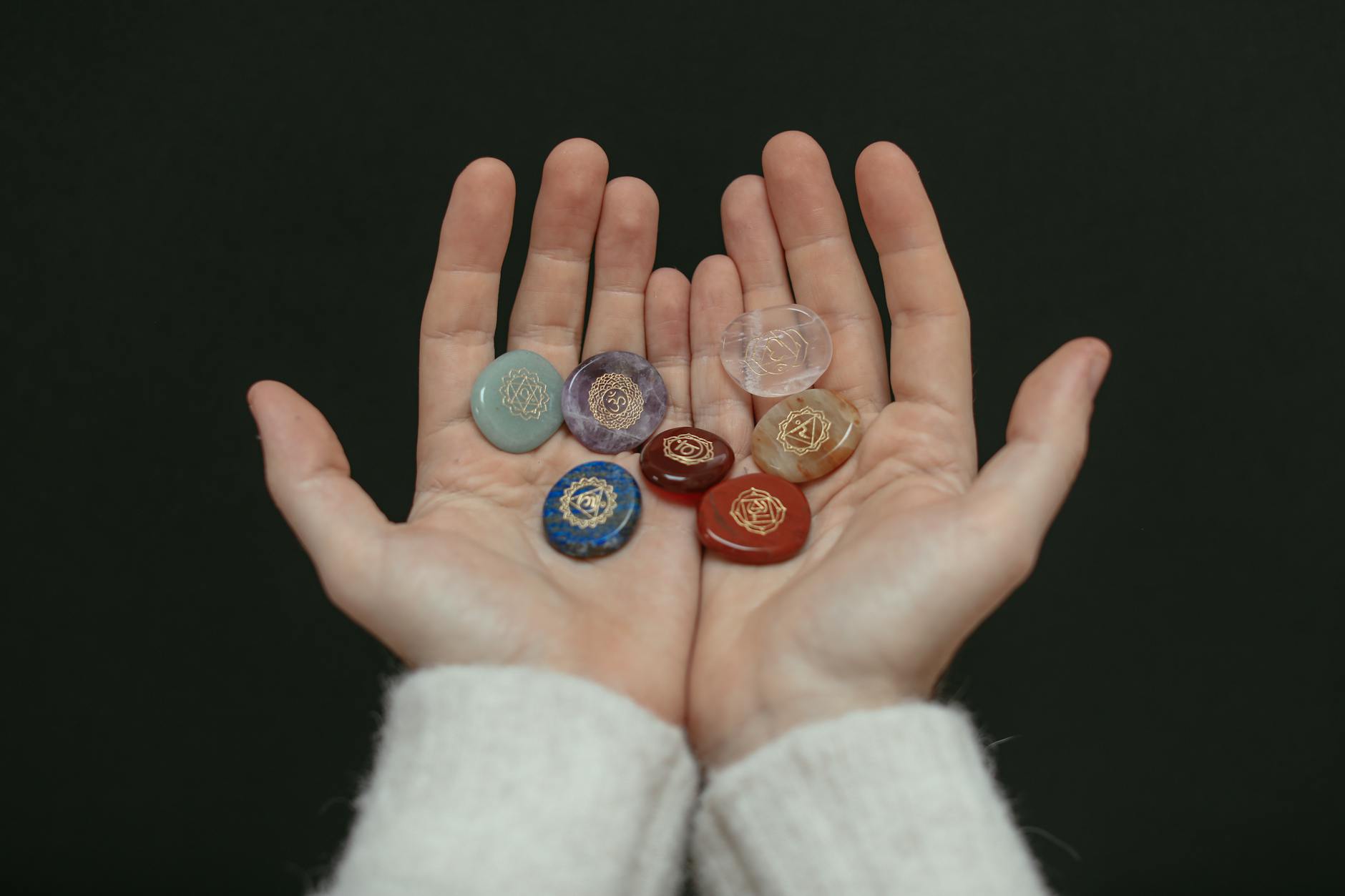
Consider other modalities. Acupuncture for those who like their energy work paired with ancient medical wisdom. Sound healing if vibration speaks to your soul. Crystal work for people who need something tangible to focus on.
Create space for the process. Energy healing isn't always comfortable. Old emotions might surface. You might feel tired as your system recalibrates. This is normal, and it is often a sign that deeper healing is underway.
Track changes subtly. Don't expect dramatic, movie-style transformations. Instead, notice small shifts. Are you sleeping differently? Reacting less intensely to stress? Feeling more connected to your own body? These quiet changes often matter most.
Remember that energy healing works well alongside conventional medicine. It's not either-or. It's both-and. Use every tool available to support your wellbeing, and keep your doctor or therapist involved for anything medical or psychological in nature.
Living as Energy
The real shift happens when you stop thinking of energy healing as something you do occasionally and start recognizing yourself as energy in constant motion. You're not a solid object having spiritual experiences, you're a dynamic field of consciousness temporarily organized into human form.
This shift in perception changes things. You become more sensitive to the energies around you. You start noticing how different people, places, and activities affect your field. You learn to protect your energy when necessary and share it generously when appropriate.
You realize that healing isn't something that happens to you, it's something you participate in actively, moment by moment.
And that woman in the coffee shop, the one who could suddenly feel everything? Last I heard, she'd started training to become a Reiki practitioner herself. Because once you remember you're made of energy, sharing that awareness with others becomes less choice than calling.
Frequently Asked Questions
Is Reiki scientifically proven?
Reiki is not a proven medical treatment, but some research suggests it may support relaxation and a reduced sense of stress. It works best as a complement to, not a replacement for, professional medical or psychological care.
Can energy healing replace medication or therapy?
No, energy healing should not replace medication, therapy, or any prescribed medical treatment. It is best used alongside professional care as a supportive practice.
How many Reiki sessions do I need to feel a difference?
Some people notice a shift after one session, while others find that effects build gradually over several sessions. Six sessions is a common starting point for people exploring ongoing support.
Do I need to believe in chakras for energy work to help?
No, belief is not required for energy work to offer a sense of ease or relaxation. Many people use chakras simply as reference points for where they hold tension or emotion in the body.
Nora Coaching
www.noracoaching.com
Related reading
Comments