
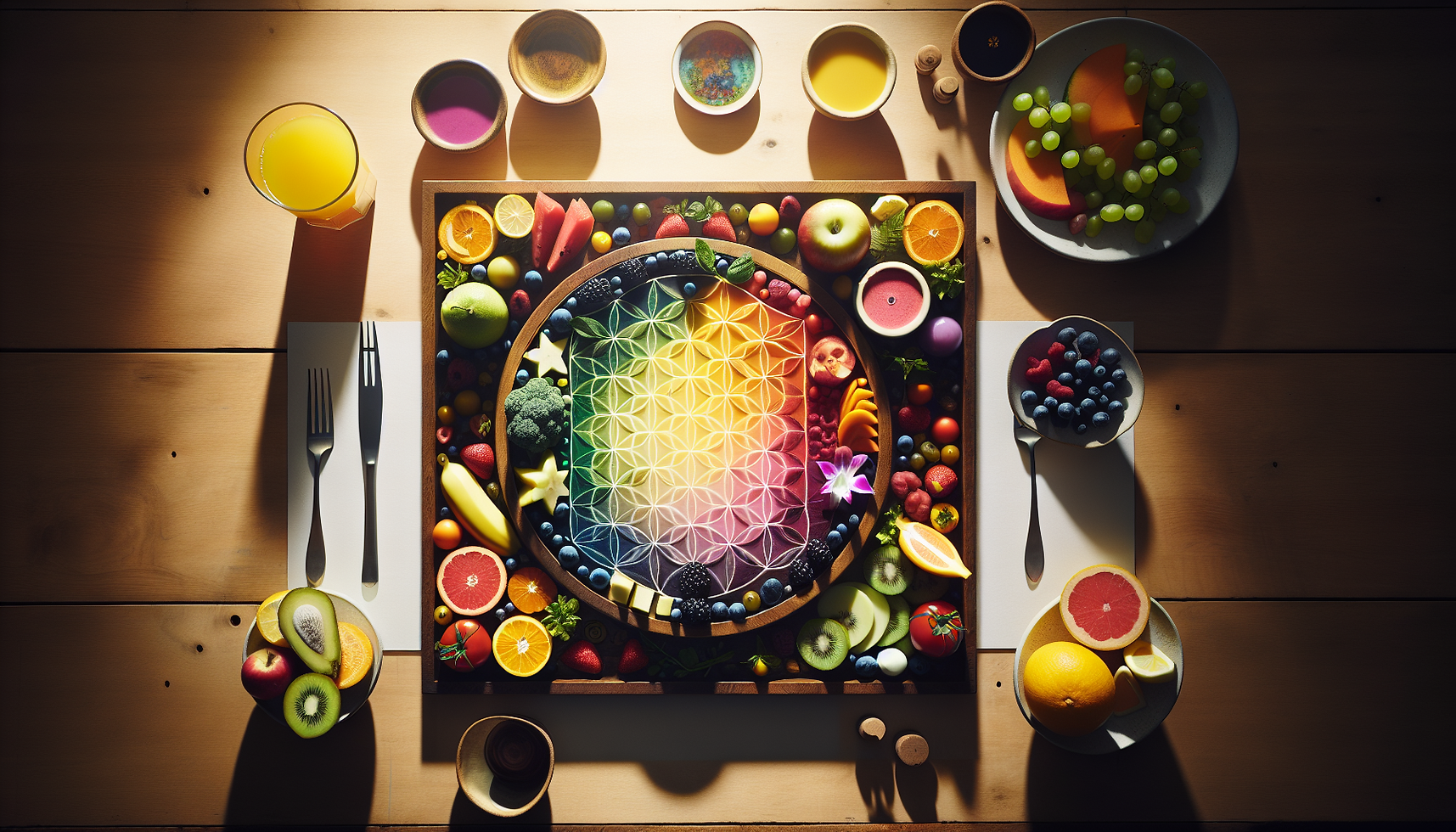
Eating for Energy: Embracing Prana & Chi for Vitality
My grandmother's hands moved like prayer over her vegetables. Each tomato turned slowly in her palm, searching for something I couldn't see. "This one's tired," she'd whisper, setting it aside. "This one sings."
I thought she was losing her mind. Turns out, she was teaching me about eating for energy and the ancient wisdom of choosing foods that carry life force—what the Sanskrit tradition calls prana and Chinese medicine knows as chi.
Food isn't just fuel. It's information. Frequency. A conversation between the earth and your cells that happens three times a day, whether you're listening or not.
## The Living Language of Food
Prana flows through everything that grows. But here's the thing—it doesn't stick around forever.
That apple sitting in your fruit bowl for two weeks? Its prana is basically on life support. The spinach that traveled 2,000 miles in a refrigerated truck might have nutrients on paper, but energetically it's running on empty. I learned this the hard way during my raw food phase (don't ask—it involved way too much kale and zero joy).
Fresh food vibrates differently. You can feel it if you pay attention. The snap of just-picked green beans. The way a ripe peach seems to glow from the inside. These aren't just pretty descriptions—they're energetic signatures.
Chinese medicine maps this beautifully. Foods carry different types of chi based on how they're grown, prepared, and consumed. Raw foods are cooling. Cooked foods are warming. Fermented foods are transformative. It's like having a pharmacy in your kitchen, except way more delicious.
Actually, let me tell you about my friend Sarah. She's a chef who started rating her ingredients on what she calls the "aliveness scale." Sounds woo-woo, right? But her restaurant has a six-month waiting list. People can taste the difference when food carries intention and vitality.
## The Alchemy of Preparation
How you cook changes everything.
Stir-frying preserves chi by keeping vegetables crisp and colorful. Slow simmering draws nutrients deep into broths. Steaming maintains the gentle energy of greens. But microwaving? That's like screaming at your food until it surrenders.
I used to meal prep on Sundays like it was a military operation. Containers lined up. Everything portioned. Very efficient. Also very dead by Wednesday. Now I prep ingredients but cook fresh when possible. The difference in how I feel is honestly startling.
Your intention matters too. Cooking while angry creates different energy than cooking with love. I know this sounds like something your yoga teacher would say after too much kombucha, but indigenous cultures have known this forever. The Lakota have a saying: "When you cook with a good heart, the food heals."
So breathe while you chop. Thank your vegetables (silently, unless you live alone). Let cooking become meditation instead of chore.
## Seasonal Rhythms and Natural Timing
Spring foods lift energy upward.
Summer foods cool and disperse heat. Fall foods ground and nourish deep reserves. Winter foods warm the core and conserve strength. This isn't just poetic—it's practical wisdom about syncing your eating with natural cycles.
Eating strawberries in December feels wrong for a reason. Your body expects warming stews and roasted roots when it's cold, not cooling fruits that grow when the sun is high. But here's where it gets interesting—location matters as much as season.
Living in Arizona? Maybe you need those cooling foods even in winter. Spending time in Alaska? Your body might crave warming spices year-round. The key is paying attention to what your particular body needs in its particular environment.
I spent a winter in Minnesota eating like I was still in California. Raw salads in subzero weather. Green smoothies when my soul wanted soup. By February I felt like a popsicle with anxiety. Now I eat intuitively with the seasons and actually, you know, feel human.
Traditional Chinese Medicine talks about eating foods that match your constitution too. Some people run hot and need cooling foods. Others run cold and need warming ones. Most of us are somewhere in between, shifting with seasons and life circumstances.
## The Energy of Gratitude and Presence
Here's where things get really simple.
The most prana-rich meal in the world won't nourish you if you eat it while scrolling Instagram or stressed about tomorrow's deadline. Presence is the secret ingredient that activates everything else.
I remember eating lunch at this tiny monastery in Tibet. Nothing fancy—rice, vegetables, tea. But we ate in complete silence, focusing only on the food. Every grain of rice felt like a gift. Every sip of tea landed like medicine. It was the most nourishing meal of my life, and I couldn't tell you what seasoning they used.
Your digestive system responds to your nervous system. Stress shuts down digestion. Gratitude opens it up. When you pause before eating, even for three breaths, you're literally changing your body's ability to receive nourishment.
Sometimes I put my hands over my food and just feel grateful. Not in a performative way—just genuinely amazed that soil and sun and rain became this thing that will become part of my cells. It sounds simple because it is.
But simple doesn't mean easy. We live in a culture that treats eating like refueling a car. Fast, efficient, mindless. Breaking that pattern takes practice.
Living Nutrition in Daily Practice
Start small. Choose one meal a day to eat without distractions.
Taste your food like it matters. Because it does. Notice colors, textures, how different foods make your body feel an hour later, three hours later.
Shop with your senses when possible. Farmers markets aren't just trendy—they're energetic gold mines. Foods picked that morning carry different information than foods picked weeks ago.
Cook something from scratch regularly, even if it's just scrambled eggs. The act of transforming raw ingredients connects you to the ancient alchemy of nourishment. Plus, scrambled eggs taste way better when you actually pay attention to making them.
Trust your cravings, but distinguish between what your body wants and what your stress wants. Your body might crave iron-rich leafy greens. Your stress wants chocolate and Netflix. Both are valid, but they're different conversations.
The goal isn't perfection. It's relationship. Building a conscious connection with the foods that sustain you, honoring the energy they carry, and receiving their gifts with presence instead of habit.
Your body knows how to extract prana from food. You just have to get out of its way and let the conversation happen. One mindful bite at a time.
Nora Coaching
www.noracoaching.com


Comments