Angelic Light Language: Activating Your Body's Healing Power
Updated: Oct 27
My grandmother's hands used to glow.
Well, not literally. But there was something about the way she'd press her palms against my fevered forehead when I was sick that felt like liquid starlight seeping into my skull. She never called it angelic light language, never mentioned energy healing or activation protocols. She just knew things. Her fingers would trace patterns in the air above my chest, and somehow the knots in my stomach would dissolve.
I thought it was just love until I felt my own hands start to hum.
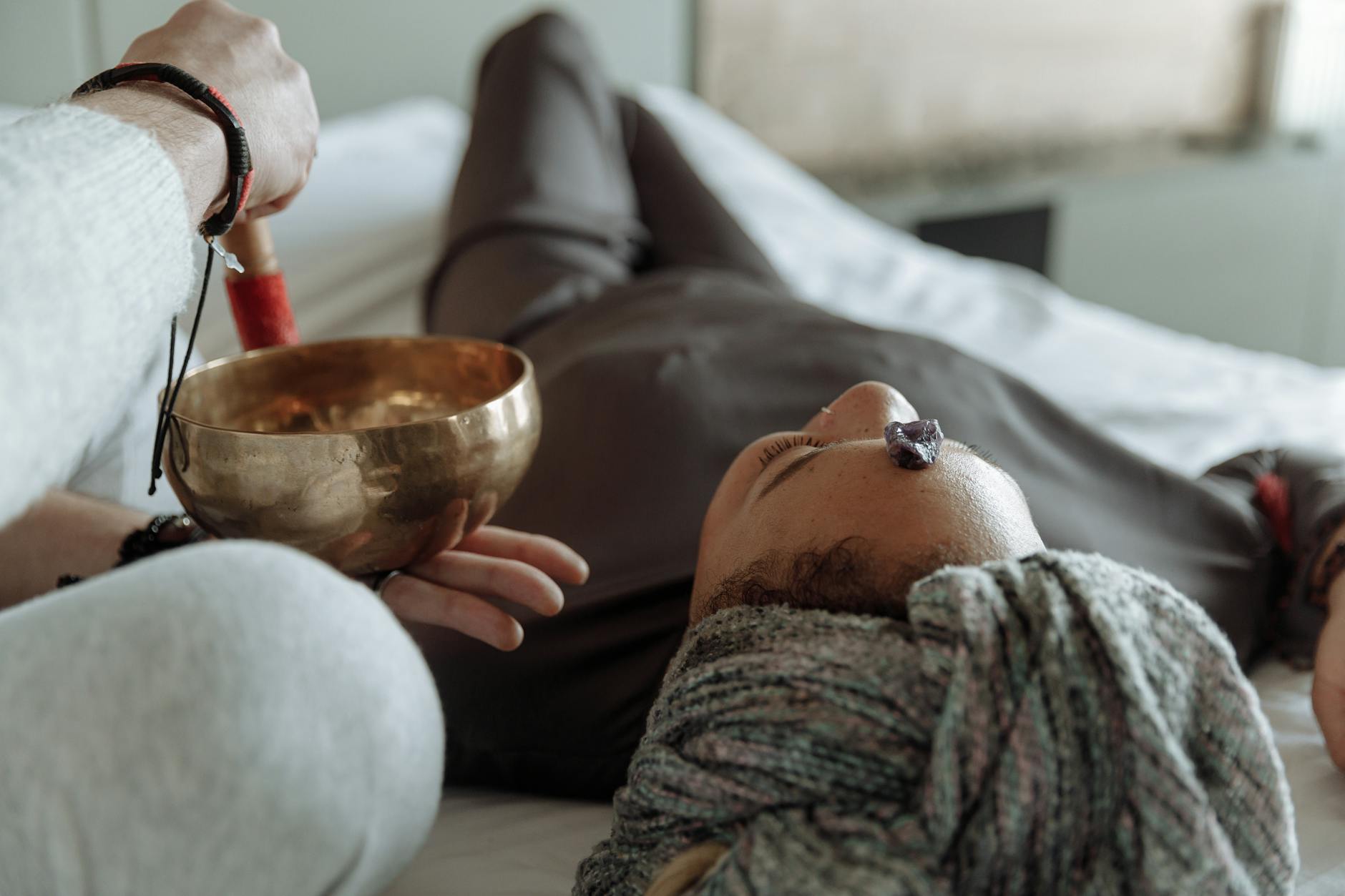
What Is the Science Behind Sacred Sound?
The science behind sacred sound comes from how your body responds to vibration and frequency, since every cell carries its own subtle rhythm. Angelic light language works with these rhythms rather than against them, which is why the practice feels less like invention and more like remembering something old.
Those weird sounds, the spontaneous gestures, the way certain frequencies make your cells feel like they're dancing, there's something real happening here, even if it resists tidy explanation.
Your body is basically a walking symphony. Every cell vibrates at its own frequency, creating this incredibly complex harmonic structure that most of us never even notice. But when you introduce specific sounds, especially the kind that seem to bypass your thinking brain entirely, something shifts. The chaos starts organizing itself.
I remember the first time I witnessed someone speaking in light language during a healing session. She was this tiny woman from Oregon, and when she opened her mouth, these sounds came out that seemed to have their own intelligence. Not words exactly, but not random noise either. The person receiving the session started crying within thirty seconds. Not sad tears. Relief tears.
"It's like tuning a radio," she explained later. "Sometimes the static clears and you can finally hear the music."
The thing is, we're all capable of this. Your vocal cords aren't just for ordering coffee and complaining about traffic. They're instruments of expression, capable of generating frequencies that can support a sense of balance in your body. But first, you've got to get comfortable with sounding absolutely ridiculous.
How Do You Recognize Your Body's Energetic Responses?
You recognize your body's energetic responses mainly through small physical cues such as warmth in the hands, a spacious feeling in the chest, or a sudden deepening of breath. These signals tend to arrive quietly, so noticing them takes practice more than effort.
Honestly, learning to recognize when your body is responding to light language frequencies is like learning to notice your own breathing. It's happening all the time, but most of us are too distracted to pay attention.
Start with your hands. They're usually the first responders when energetic stuff is happening. Maybe they'll get warm. Or tingly. Sometimes they feel like they're expanding beyond their physical boundaries, which is weird but not alarming. Just different.
Your chest might start feeling spacious in a way that doesn't make logical sense. Like someone just opened a window in a room you didn't realize was stuffy. Or you might notice your breathing naturally deepening without any conscious effort on your part.
Some people feel waves of sensation moving through their body. Others describe it as gentle electricity or warm honey. There's no single way to experience it, which is both freeing and slightly frustrating if you're the type who likes clear instructions.
Actually, let me back up a second. I should mention that not everyone feels things immediately. Some people are more auditory, they'll hear tones or music that isn't coming from any external source. Others see colors or patterns behind their closed eyelids. And some people don't notice anything at first, which doesn't mean they're doing it wrong.
The key is paying attention without trying to force anything. Your body has its own wisdom; it's just forgotten how to listen to itself sometimes. Light language is like giving it permission to remember, as a gentle complement to whatever care you already receive, not a replacement for medical or psychological support.
What Are Practical Techniques for Activating Light Language?
The most practical way to begin is humming on a comfortable note and letting the sound shift shape on its own. From there, movement and unfamiliar syllables often follow naturally as your body settles into the practice.
Okay, so how do you actually get started with this? The honest answer is that everyone's entry point is different, but there are some approaches that seem to work for most people.
Start with humming. Seriously. Just pick a note that feels comfortable and let it vibrate in your chest. Don't worry about staying on pitch or sounding pretty. This isn't a performance; it's a conversation with your own body.
After a few minutes of humming, try letting the sound change shape. Maybe it wants to get higher. Or lower. Maybe it wants to break into multiple tones or add some texture. Follow its lead rather than trying to direct it.
This is where things get interesting. And weird.
At some point, you might notice sounds wanting to come out that aren't exactly humming anymore. They might be clicks or chirps or syllables that don't belong to any language you recognize. This is normal. This is a sign your body is settling into something unfamiliar but not unsafe.
Movement usually wants to join eventually. Your hands might start moving on their own, tracing patterns or gestures that feel oddly familiar even though you've never done them before. Let them move. Your body has an intuitive sense that your thinking mind hasn't caught up to yet.
I spent years thinking I was making this stuff up, that the sounds coming through me were just elaborate self-deception. But then I started working with people who had no idea what light language was, and they'd report feeling calmer and lighter anyway. Something real was happening, whether my skeptical mind could explain it or not.
How Do You Integrate Light Language Into Daily Practice?
You integrate light language into daily life by practicing in small, consistent doses rather than waiting for dramatic moments. A few minutes each morning, or spontaneous sounds while doing chores, is usually enough to let the practice settle in over time.
The tricky part about angelic light language isn't learning it. It's trusting it enough to use it regularly.
Most of us have been trained to believe that self-care requires expensive equipment or years of study or official certification. But your body already carries a kind of built-in wisdom. Light language is just a way of accessing that quietly, alongside whatever professional care or support you already rely on.
Start small. Maybe spend five minutes each morning letting sounds move through you before you check your phone or drink your coffee. Don't set expectations about what should happen. Just create space for your body to express whatever it's holding.
You might find yourself making sounds while you're doing dishes or walking the dog. These aren't random occurrences. Your system may be processing something, releasing tension or settling into a steadier rhythm. Let it happen.
Some days the sounds will feel strong and energizing. Other days they'll feel gentle and soothing. Sometimes nothing much seems to happen at all, and that's fine too. Your body tends to know what it needs better than your impatient mind does.
The real integration happens in the spaces between the sounds. The moments when your nervous system settles into a calmer rhythm. When chronic tension eases so gradually you barely notice until one day you realize it feels lighter than it used to.
It's subtle work. Gentle work. The kind of shift that happens not in dramatic moments of revelation but in the quiet accumulation of small changes over time.
Your Body Already Knows
Here's what I wish someone had told me when I first started exploring this: you don't need to become anything you're not already. The capacity for angelic light language isn't something you develop or acquire from scratch. It's something you remember.
Your vocal cords are remarkable instruments of expression. Your breath can be a form of comfort. Your intention, combined with sound and movement, can support a sense of ease in how your body feels day to day.
But you probably won't believe me until you feel it for yourself. Which is fine. Actually, it's better than fine. Direct experience is the only teacher that really matters here.
So start humming. Let the sounds get weird. Move your hands in ways that don't make sense. Trust the intuition that shapes your breath to know something about ease.
Your grandmother's hands might not have glowed, but yours can learn to carry a kind of warmth in their own way. The frequencies are already inside you, waiting for permission to emerge.
All you have to do is open your mouth and let them sing.
Frequently Asked Questions
Is angelic light language a replacement for medical treatment?
No. It is meant to complement professional medical or psychological care, not replace it, and any ongoing health concerns should be discussed with a qualified provider.
Do I need special training to practice light language?
No formal training is required, since the practice relies on your own voice, breath, and attention rather than certification or equipment.
What if I don't feel anything when I try it?
That is common and does not mean you are doing it wrong, since some people notice sensations gradually or through sound and imagery rather than physical feeling.
How long before I notice any shifts?
Some people notice subtle changes within a single session, while others find the effects accumulate quietly over weeks of consistent, short practice.
Nora Coaching
www.noracoaching.com
Related reading

Comments