
Unlock Emotional Healing: Lemurian Light Language
Updated: 4 days ago
The words came through Sarah's voice like water through broken glass. Beautiful. Fractured. Completely foreign yet somehow familiar to every cell in my body.
I was sitting in a cramped healing circle above a tea shop in Portland, honestly skeptical as hell about this whole Lemurian Light Language thing. But something shifted when she started speaking, or singing. The sounds weren't quite either. They were something else entirely.
Emotional healing through ancient sound codes might sound pretty out there. Actually, it is pretty out there. But after three years of working with clients who've experienced meaningful shifts through Light Language, I can't ignore what I've witnessed. The human nervous system responds to these frequencies in ways that traditional talk therapy sometimes can't reach on its own. This work is meant to complement, not replace, professional medical or psychological care.
What exactly is Lemurian Light Language, though?
What Is Lemurian Light Language and Where Does It Come From?
Lemurian Light Language is a form of spontaneous, non-verbal sound expression, made of tones, clicks, and melodic phrases, said to carry meaning directly to the body and emotions rather than through logical language. It traces back to Lemuria, a continent many describe as mystical, said to have existed in the Pacific Ocean.
Whether it was real or mythological doesn't really matter for our purposes, actually, wait, that's not entirely true. The belief in its reality seems to amplify the calming effects people report. Fascinating how faith works, isn't it?
The Lemurians were said to communicate through pure frequency. No words. Just vibration carrying meaning directly into consciousness. Think of how a mother's humming soothes a crying baby before language develops. That's the doorway we're talking about here.
Modern practitioners channel these ancient sound patterns. They emerge as spontaneous vocalizations, clicks, tones, melodic phrases that bypass the logical mind entirely. My friend Marcus describes it as speaking in tongues, but for easing emotion instead of religion. Which actually isn't a terrible comparison.
The thing about emotional difficulty is how it gets held in the body. Below language. Below thought. Somewhere in the primitive brain where words can't always go. Light Language seems to work at that exact level, as a support alongside whatever other care someone is receiving.
I remember working with a client named David who'd carried anger for decades. Childhood stuff. We'd talked it through in regular sessions, but something remained locked. When I started toning, these weird, guttural sounds just poured out, his whole body started shaking. Not fear shaking. Release shaking. He cried for twenty minutes and said later it felt like something old had finally been heard.
How Do Sound Frequencies Help Shift Emotional Patterns?
Sound frequencies are thought to help ease emotional patterns through a process called entrainment, where the body's rhythms gradually sync with calming, harmonic tones. This doesn't erase old experiences, but it can support the nervous system in settling into a steadier state.
Our cells are basically tiny tuning forks.
They vibrate. They respond to frequency. They hold memory in ways science is still exploring. When we go through something difficult, these cellular patterns can get stuck in a kind of dissonance. Like a piano with several keys constantly pressed down.
Light Language works by introducing harmonic frequencies that may help restore a more natural resonance. The sounds don't need to make logical sense, they're operating on a much more fundamental level. Below the mind's constant chatter.
Actually, let me back up a second. I should mention that I was quite skeptical about this stuff initially. I mean, really skeptical. I'm trained in traditional energy work, and even that felt pretty unconventional when I started. But what people experience matters more than theories, right?
The frequencies seem to work through something called entrainment. When two oscillating systems come near each other, they eventually sync up. Think of metronomes on a table gradually matching rhythm. Our emotional patterns can settle into rhythm with these calming frequencies.
But here's what's interesting, the practitioner doesn't control what comes through. The sounds emerge spontaneously, often surprising everyone involved. It's like the client's own system calls for exactly what it needs, and the practitioner becomes a channel for those specific frequencies.
Some sessions are gentle. Soft, flowing tones that feel like being wrapped in warm honey. Others are intense, sharp, cutting sounds that seem to move through energetic blockages. The body tends to know what it needs.
How Do You Receive and Work With Lemurian Frequencies?
You receive Lemurian frequencies simply by settling into a quiet, comfortable state and listening without trying to analyze the sounds. No special training or belief is required, the frequencies are said to work on a level below conscious thought.
You don't need special training to receive Light Language sessions.
Actually, you don't need to believe in it either. I've seen it offered to complete skeptics with noticeable ease. The frequencies seem to operate below the level of belief systems.
What helps is getting into a receptive state. Quiet mind. Open heart. Comfortable position where you won't be distracted by physical discomfort. Some people prefer lying down, others sitting. Whatever feels right.
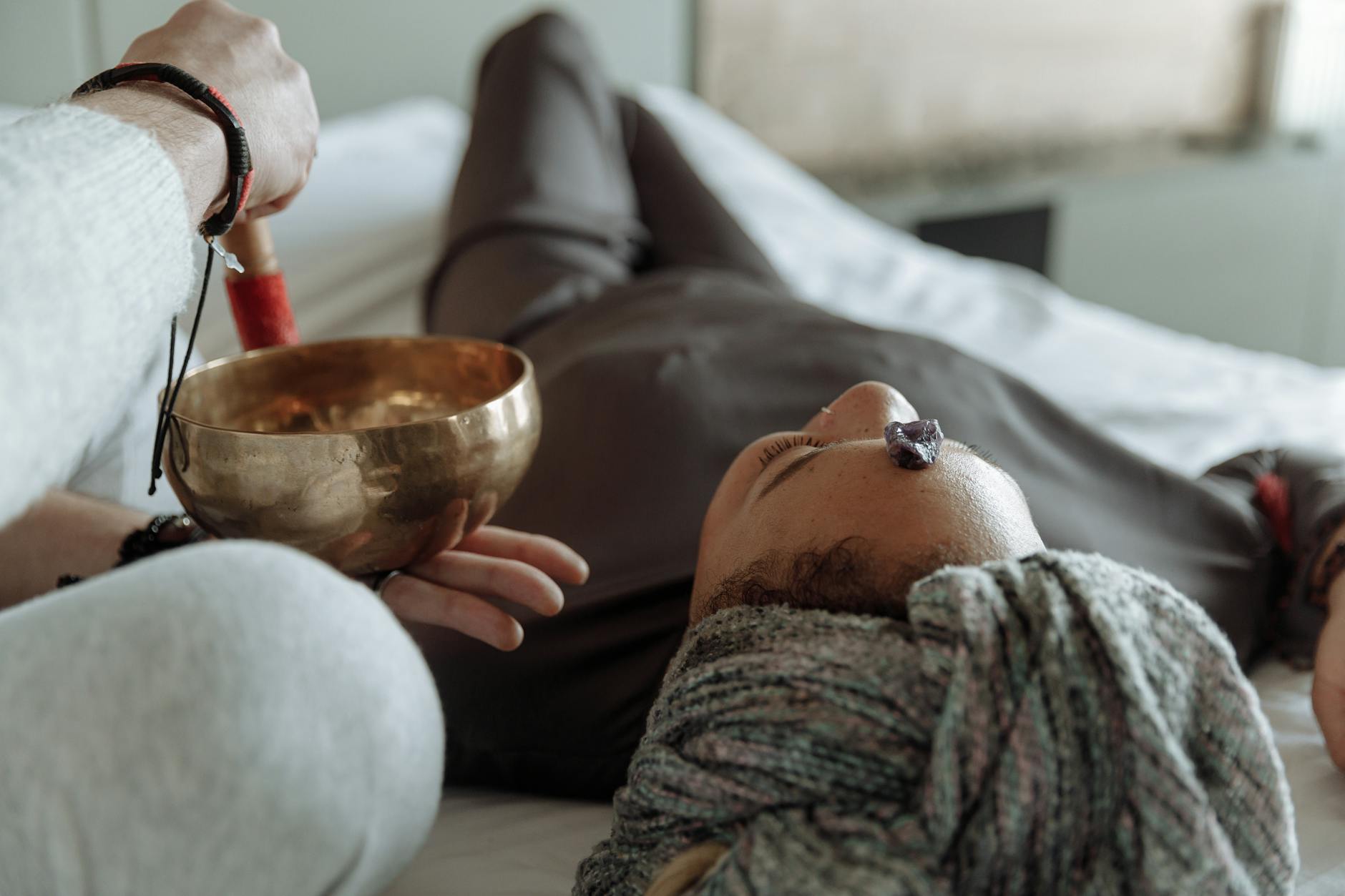
When the sounds begin, just listen. Don't try to understand or interpret. Let the frequencies wash through you like music. Some people feel warmth, tingling, or gentle pressure. Others experience emotional release, tears, laughter, even anger coming up to be cleared.
The most important thing is allowing whatever wants to happen. Your logical mind might protest, especially if emotions start moving. But these releases are often part of the easing process. Old energy finally finding a way out.
I worked with a woman named Elena who'd been carrying grief from a miscarriage fifteen years earlier. She'd done therapy, energy work, everything. Nothing quite touched the depth of that loss. During our Light Language session, these incredibly tender, maternal sounds emerged. She later said it felt like her unborn child was finally being sung to sleep. The grief didn't disappear, but it softened into something more bearable. Sacred, even.
How Do You Integrate Light Language Into an Ongoing Healing Journey?
You integrate Light Language by giving the body time to process after a session, through rest, hydration, gentle journaling, and noticing small shifts over days and weeks rather than expecting instant change. The real work happens after the session ends.
Light Language often starts a process that continues for days or weeks afterward. You might notice dreams becoming more vivid. Old patterns feeling less compelling. Situations that used to trigger you suddenly feeling more neutral.
Some people start spontaneously making their own Light Language sounds. Don't overthink this if it happens. Your body might be exploring its own way of easing tension through frequency. Trust the process.
Journaling helps integration. Not analyzing what happened, but simply recording your experience.
How did your body feel?
What emotions moved through?
Any insights that emerged?
Hydration becomes really important too. Sound work seems to move a lot of energy, and water helps support whatever's being released. I always keep clients well hydrated during and after sessions.
Honestly, the most meaningful shifts I've witnessed haven't been dramatic. They've been subtle changes that build over time. A client who stops attracting draining relationships. Someone who finally feels more at ease in their own skin. These quiet transformations are where the real value lives.
The beautiful thing about Lemurian Light Language is how it works alongside your own innate wisdom. The sounds don't impose healing, they simply support your system's natural capacity to settle back into balance. Like tuning a guitar that's gone slightly flat.
Frequently Asked Questions
Is Lemurian Light Language a replacement for therapy?
No. It is meant to complement professional medical or psychological care, not replace it, and works best alongside whatever support you already have in place.
Do I need to believe in it for it to work?
No, belief isn't required. Many people who try it skeptically still report feeling calmer or more at ease afterward.
What does a Light Language session actually feel like?
Sensations vary widely, from warmth and tingling to tears or a sense of release, and some sessions feel gentle while others feel more intense. There is no single correct experience.
How soon might I notice any shifts after a session?
Some people notice subtle changes right away, like a lighter mood, while others see shifts unfold gradually over days or weeks through dreams, reduced triggers, or quieter emotional patterns.
If you're curious about experiencing Light Language, trust that impulse. Your curiosity doesn't usually show up for no reason. Start by finding a practitioner whose energy feels right to you, this work is deeply personal, and resonance between practitioner and client matters enormously.
Or maybe you'll discover you're drawn to channel these frequencies yourself. Many people find Light Language emerging naturally during meditation or energy work. There's no single right way to connect with these sounds.
The Lemurians understood something we're just remembering: ease and healing can happen in the spaces between words, in the vibrations that connect all living things. Sometimes the oldest medicine is exactly what our modern world needs most.
Nora Coaching
www.noracoaching.com
Related reading

Comments